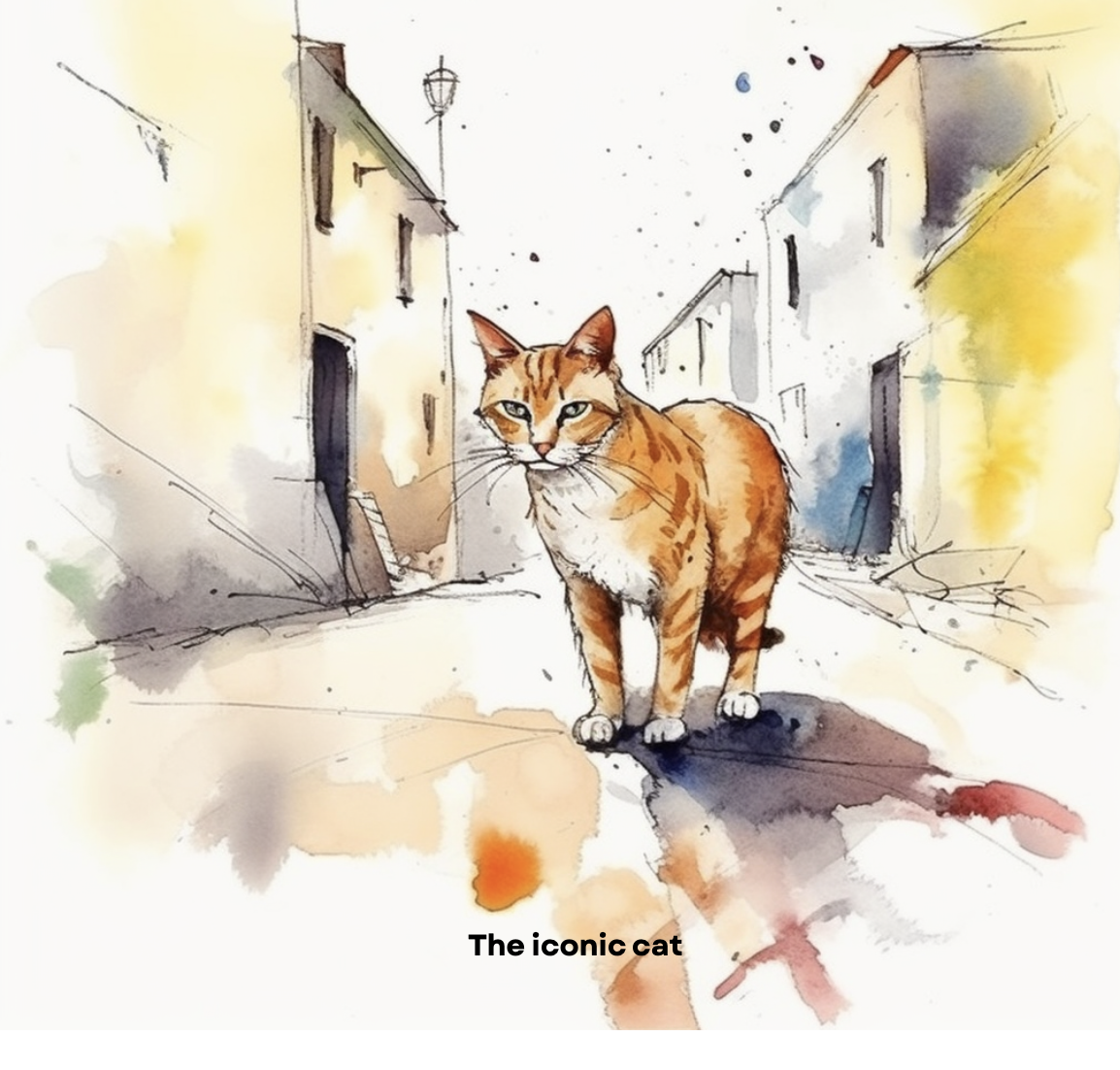
MARTINA MARCUS: THE QUIET LANGUAGE OF WATER AND LIGHT

There is a particular kind of silence in the work of Martina Marcus. Not an absence, but a presence—something calm, sustained, and quietly attentive. Her paintings do not seek to overwhelm or impress at first glance. Instead, they invite a slower kind of looking, one that unfolds gradually, almost imperceptibly, as the eye begins to adjust to the softness of her world.
Working primarily in watercolour, Marcus has developed a practice that centres on delicacy without ever becoming fragile. Her use of colour is restrained yet deeply considered, creating compositions where light and shadow seem to emerge naturally from within the paper rather than being imposed upon it. There is no sense of force in her technique. Everything feels placed with intention, yet nothing appears rigid or overworked.
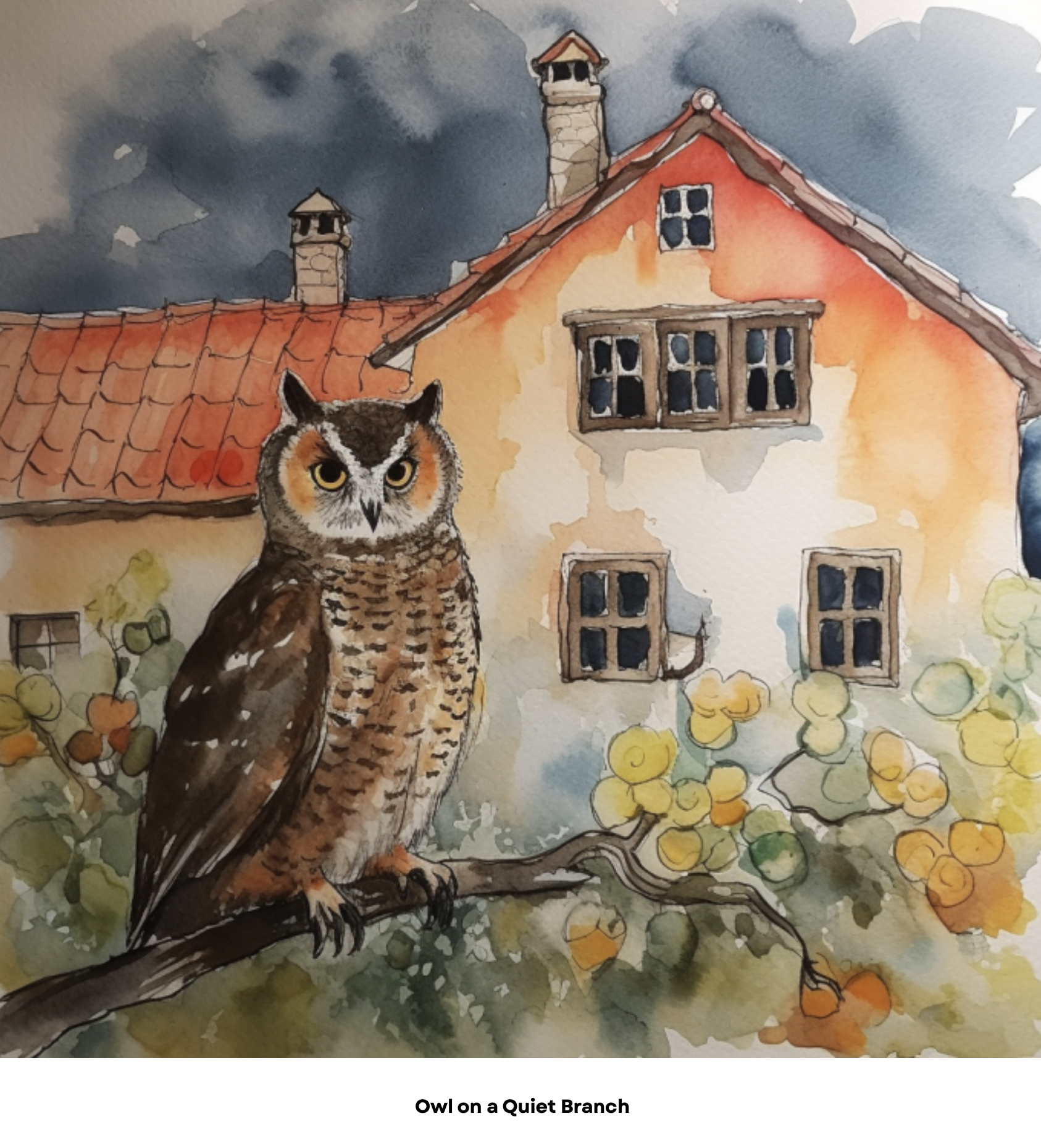
Her subjects are often drawn from the natural world—animals, landscapes, quiet moments that might otherwise go unnoticed. But what distinguishes her work is not simply what she paints, but how she sees. There is a clarity in her observation, paired with a softness that allows each image to breathe. Forms are defined, yet never heavy; details are present, yet never overwhelming.
Light plays a central role in this. It is not used to create dramatic contrast, but to build atmosphere. Soft transitions between tones allow the image to remain cohesive, avoiding sharp interruptions. The result is a sense of continuity—one that mirrors the natural rhythms of the environments she depicts. There is no urgency in her compositions, only a steady unfolding.
This approach reflects a deeper sensitivity to both material and subject. Watercolour, as a medium, does not allow for excessive correction. It demands a level of control that is both technical and intuitive. Marcus works within these constraints with confidence, allowing the fluidity of the medium to become part of the image itself. Edges dissolve, colours blend, and the boundaries between forms remain intentionally open.
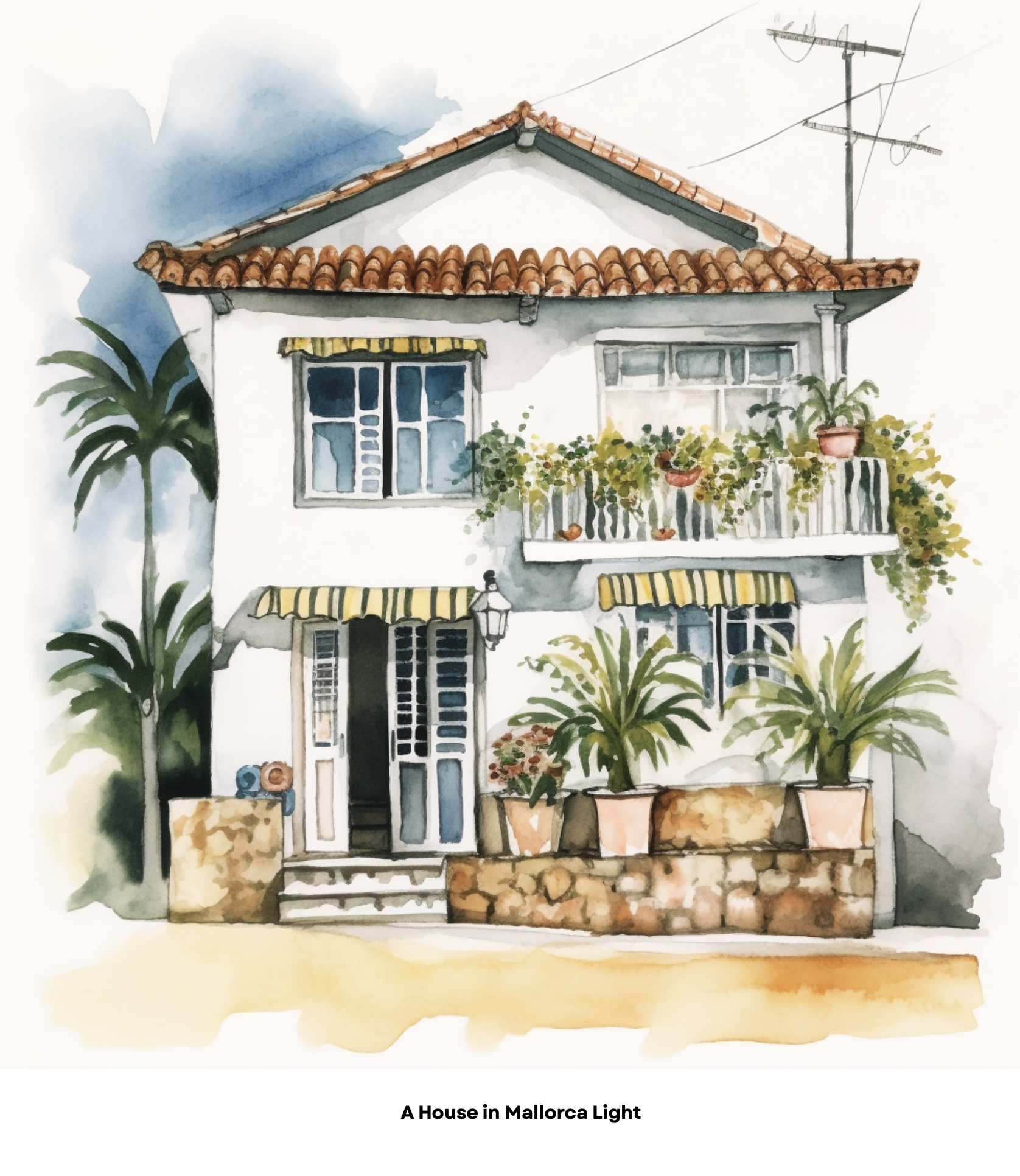
Her ability to balance control and spontaneity is one of the defining qualities of her work. There is structure, but it is never rigid. There is movement, but it is never chaotic. This equilibrium gives her paintings a sense of quiet harmony, where each element feels necessary, and nothing feels excessive.
Over the years, her work has gained recognition beyond her immediate context. She has exhibited internationally, bringing her distinctive approach to audiences across different cultural settings. Despite this, her paintings retain a deeply personal quality. They do not adapt to trends or external expectations. Instead, they remain consistent, grounded in her own way of seeing.
This consistency is not repetition. Each work carries subtle variations—shifts in tone, in composition, in the way light is handled. These changes may be quiet, but they are deliberate. They reflect an ongoing process rather than a fixed style.
In many of her paintings, animals appear not as symbols, but as presences. They are neither idealised nor dramatised. Instead, they exist within their environment with a quiet dignity, often surrounded by open space that enhances rather than diminishes their presence. This treatment gives her work a certain timeless quality, as if the scenes exist slightly outside of the immediate world.