
BORJA ÁLVAREZ
Instagram account: @borjaalvarezdem
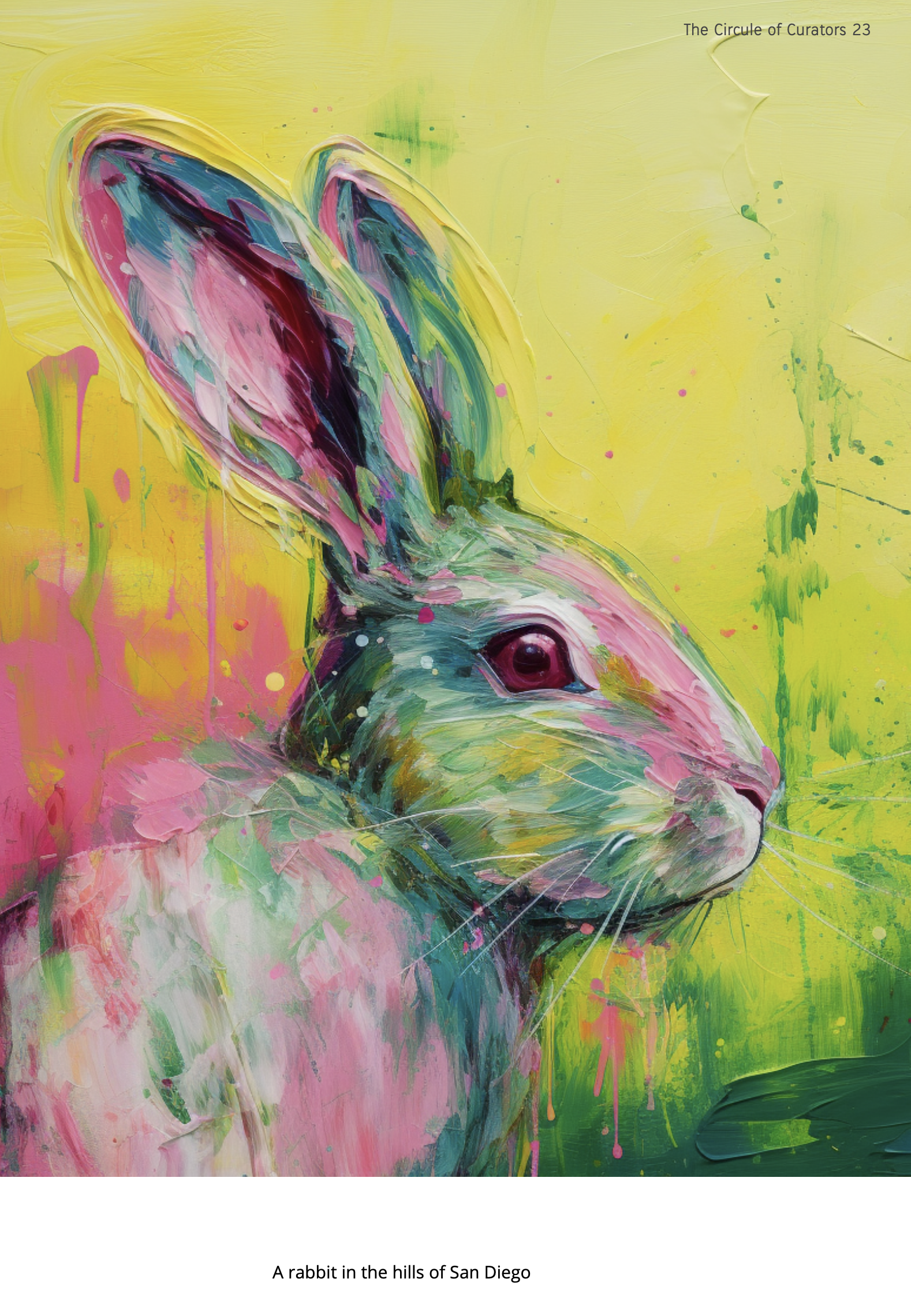
There is something quietly compelling about the work of Borja Álvarez. It doesn’t demand attention in an obvious way, yet once you begin to look, it holds you there. His paintings sit in that delicate space between abstraction and reality, where forms are suggested rather than defined, and where colour carries as much weight as structure.
What makes his work particularly engaging is the sense that it comes from somewhere lived, not imagined. Álvarez doesn’t construct distant or conceptual worlds; instead, he draws directly from his own experiences, allowing them to filter naturally into his visual language. His practice feels less like an attempt to represent something specific, and more like a process of understanding.
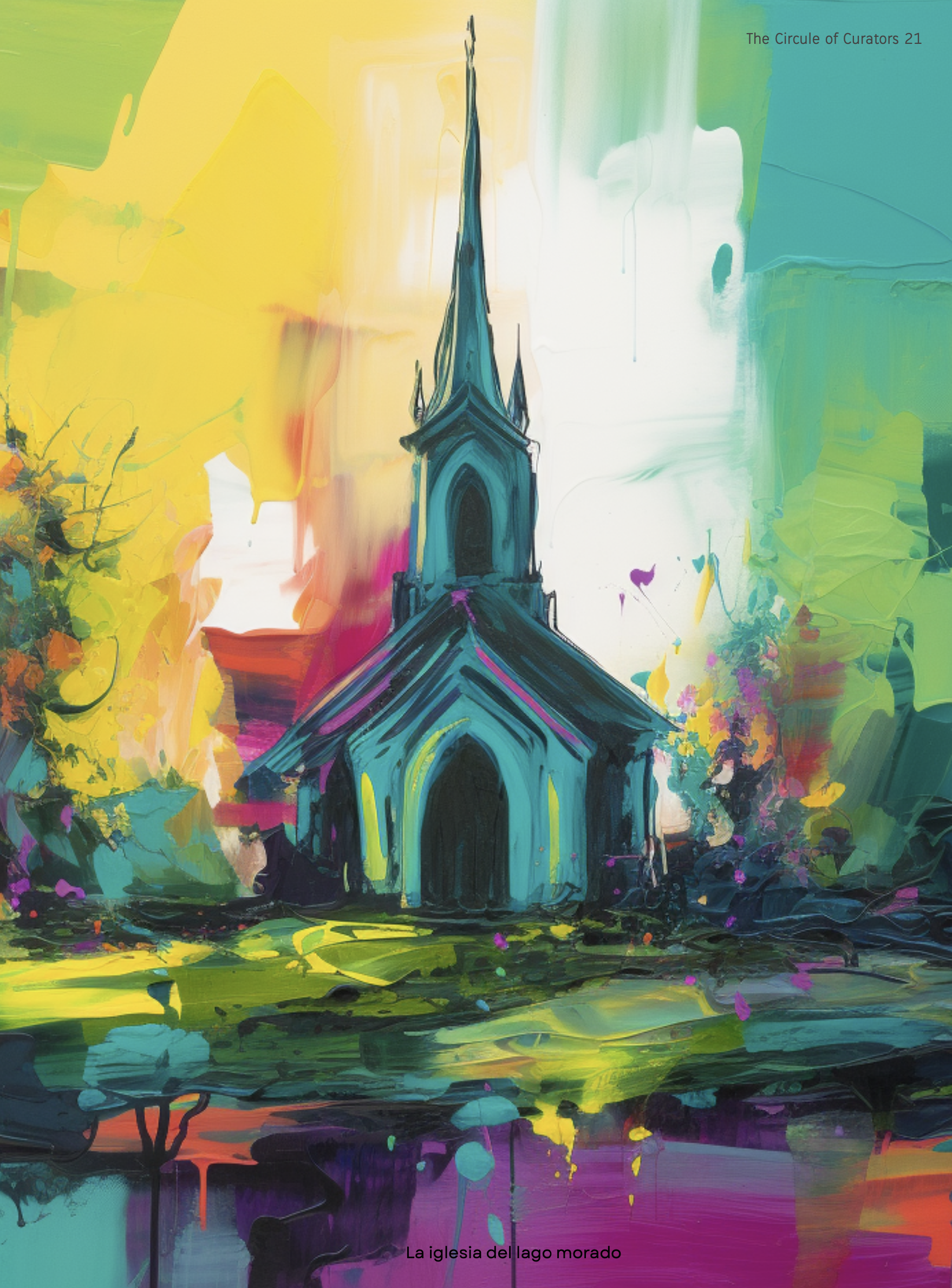
His surroundings play a central role in this. Having moved through very different environments—from the intensity of Tokyo to the calm of rural Spain—his work reflects a constant negotiation between opposites. These contrasts are not presented as conflict, but as something more balanced, almost necessary. Urban density and open landscape, movement and stillness, noise and silence all seem to coexist within the same pictorial space.
This sense of duality becomes one of the defining features of his work. There is always a tension, but it is a quiet one. Rather than pushing the viewer towards a single interpretation, Álvarez leaves space for ambiguity. Forms emerge and dissolve, colours shift in tone and intensity, and compositions feel open rather than fixed. It is precisely this openness that allows the viewer to enter the work on their own terms.
At the same time, there is a strong emotional core running through his paintings. Álvarez speaks of emotional honesty as something central to his practice, and this is clearly visible in the way his work resists over-explanation. Nothing feels forced or overly constructed. Instead, the paintings seem to unfold gradually, revealing themselves through atmosphere rather than narrative.
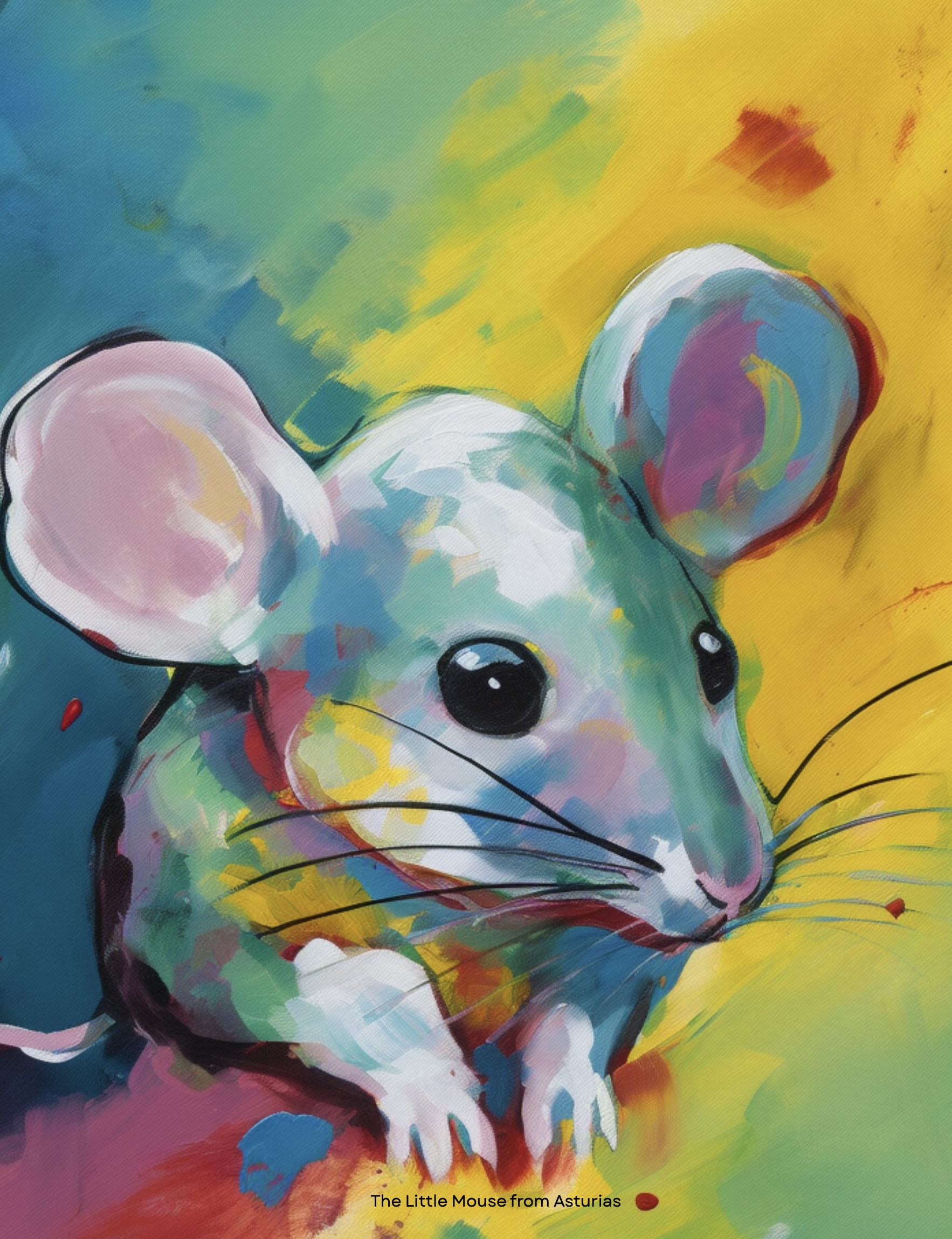
Colour plays a particularly important role here. It is not used decoratively, but structurally. Light and colour guide the viewer through the composition, creating moments of intensity and calm, sometimes within the same piece. There is a rhythm to it, almost musical, where shifts in tone act like pauses or accents within a larger composition.
What is also striking is the way his work avoids the extremes often associated with abstraction. It is neither fully abstract nor fully representational, but exists somewhere in between. This allows for a more fluid experience, where the viewer is not required to “understand” the work in a traditional sense. Instead, the paintings invite a different kind of engagement—one that is more intuitive, more personal.
In a contemporary art landscape that can often feel overly conceptual or detached, Álvarez’s work stands out for its directness. Not in the sense of being obvious, but in its sincerity. There is no sense of distance between the artist and the work. What we see is, quite simply, a reflection of how he experiences the world.
Ultimately, his paintings encourage a slower way of looking. They do not offer immediate answers, nor do they try to resolve the tensions they present. Instead, they ask the viewer to stay with them, to sit within that space between clarity and uncertainty.
And perhaps that is where their strength lies. In a world that often pushes for definition and certainty, Borja Álvarez offers something quieter: a place where complexity is not something to be solved, but something to be felt.